
Aalamdar

The city of a thousand minarets, on the banks of the Nile

Cairo

Cairo, Egypt's capital and the largest city in the Arab world, spreads along both banks of the Nile just south of where the river opens into its delta. Pharaonic monuments, medieval Islamic quarters and a modern metropolis share the same skyline.

Scroll to explore

The city

Getting to know Cairo

A capital on the Nile

The Nile gives Cairo its shape. The river runs north through the city with the islands of Zamalek and Roda in its stream, and the corniche along its banks is where Cairo comes to walk and breathe in the evening.

Greater Cairo is home to more than twenty million people. Its districts range from the medieval lanes of Islamic Cairo and the churches of Coptic Cairo to the leafy streets of Zamalek and Maadi and the newer suburbs that spread east into the desert.
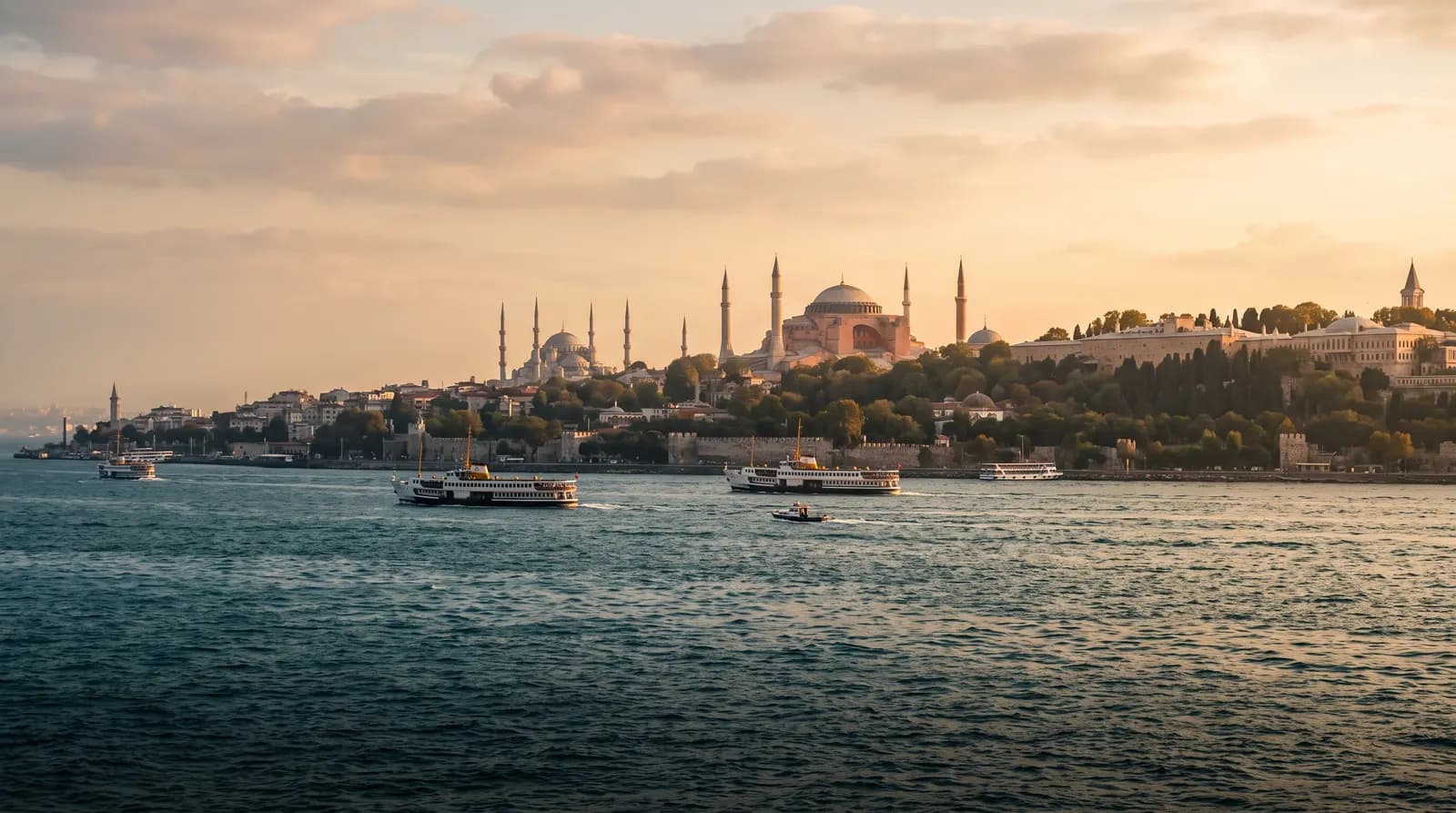
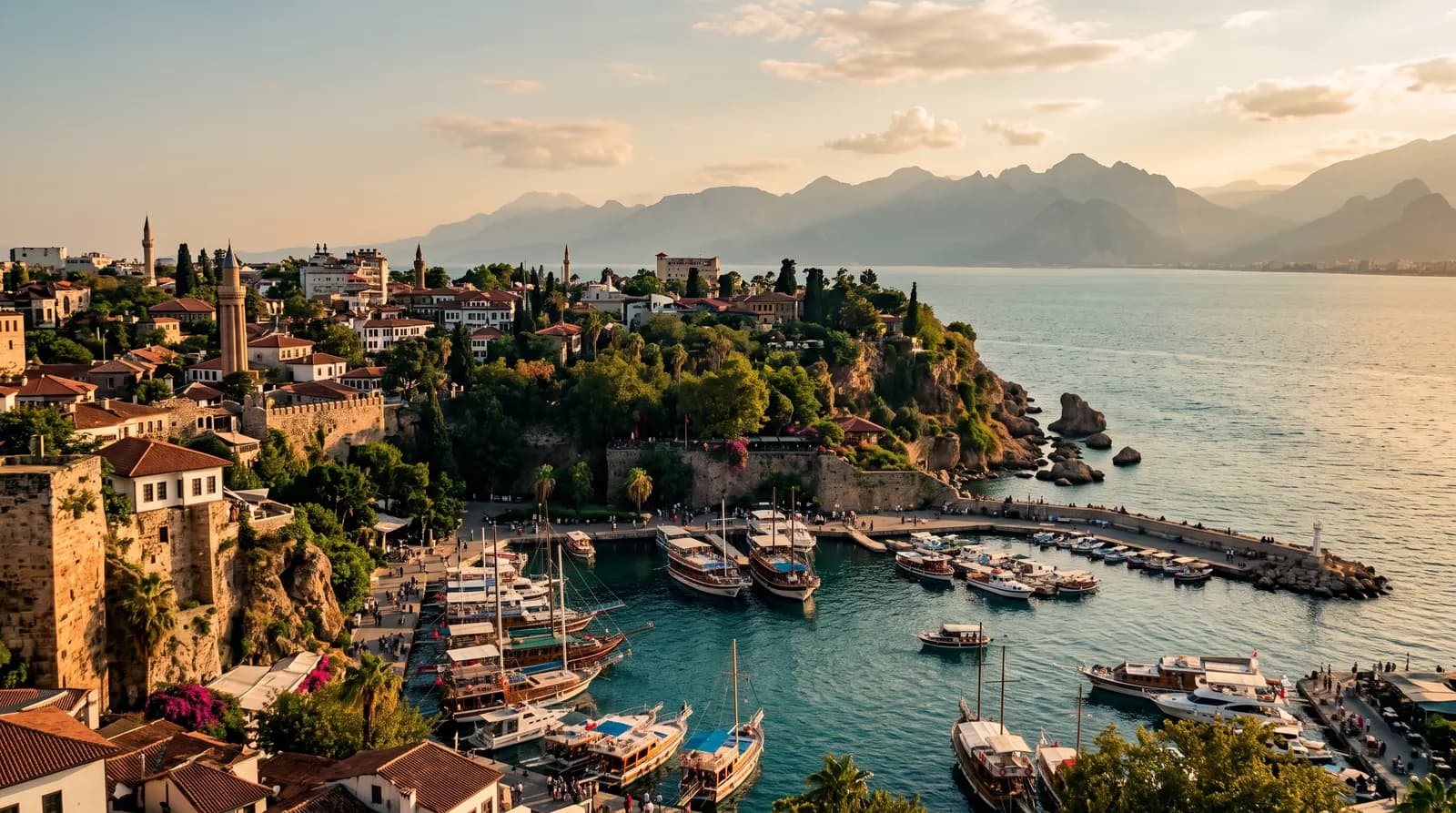
Layers of history

The pyramids of Giza were built some 4,500 years ago on the edge of the desert west of the river. The city itself was founded as al-Qahira by the Fatimids in 969, and its historic centre, a UNESCO World Heritage Site, holds one of the richest collections of Islamic architecture anywhere.

In Cairo, the pyramids stand at the end of a city street.

Food, markets and everyday life

Cairo runs late. Breakfast is ful medames and ta'ameya, Egypt's fava-bean falafel; koshari is the favourite quick lunch; and the cafés fill with tea, conversation and backgammon long after dark. The bazaars around Khan el-Khalili remain working markets.

The climate is dry and sunny. October to April is the most comfortable time to visit; summers are hot, though evenings by the river are pleasant. Traffic is heavy, and the metro is often the quickest way across the city.

A centre for medical travel

Cairo has Egypt's largest concentration of university, private and specialist hospitals, including Kasr Al Ainy, one of the oldest medical schools in the region. Cairo International Airport, the country's main gateway, connects the city directly with the Gulf, Europe and Africa.

Landmarks

Places that tell the story

The sites, streets and landscapes that give the destination its character — with nearby excursions marked as such.

  • LandmarkNearby excursion

    Pyramids of Giza

    The last surviving wonder of the ancient world. The Great Pyramid of Khufu, built around 2560 BC, stands with the pyramids of Khafre and Menkaure and the Great Sphinx on the Giza plateau.

    Giza plateau, about 20 km west of central Cairo

  • Museum

    Grand Egyptian Museum

    Beside the pyramids, one of the largest museums in the world devoted to a single civilisation. Its galleries display the complete treasures of Tutankhamun's tomb, and a colossal statue of Ramesses II greets visitors in the atrium.

    Near the Giza plateau

  • Museum

    Egyptian Museum

    Opened in 1902 on Tahrir Square, the historic museum holds one of the world's great collections of ancient Egyptian antiquities, from monumental statues to papyri and jewellery.

    Tahrir Square, downtown Cairo

  • Sacred architecture

    Citadel of Saladin

    Begun by Salah al-Din in 1176, the hilltop fortress was the seat of Egypt's rulers for nearly seven centuries. The domes and slender minarets of the Mosque of Muhammad Ali crown it, with sweeping views across the city.

    On a spur of the Mokattam hills, Islamic Cairo

  • Bazaar

    Khan el-Khalili

    A bazaar since the fourteenth century. Its lanes are lined with shops selling brass lanterns, spices, perfume oils, textiles and silver, a short walk from Al-Azhar Mosque and the medieval street of Al-Muizz.

    Islamic Cairo

  • Waterfront

    The Nile

    The river that made Egypt possible. A felucca sail at sunset, a dinner cruise or a walk along the corniche shows the city at its gentlest, with the Cairo Tower rising from Gezira Island.

    Corniche, Zamalek and Garden City

Rest and renewal

The art of renewal

Quiet settings, traditional bathing culture and landscapes that invite a slower pace — places many visitors seek out before or after a period of care.

  1. 01Natural setting

    Al-Azhar Park

    Created on land that had been a centuries-old rubbish mound and opened in 2005, the park is one of the largest green spaces in the city, with gardens, fountains and views over the Citadel and the minarets of the old city.

    Good to know: Paths are paved and mostly gentle; there is an entrance fee and cafés on site.

  2. 02Natural setting

    A felucca on the Nile

    A traditional wooden sailboat drifting on the river at the end of the day is one of the calmest ways to experience Cairo, far from the traffic above.

    Good to know: Boarding usually means stepping down from the quay; tell the crew if you need help.

  3. 03Natural settingNearby excursion

    Ain Sokhna

    On the Red Sea coast, Ain Sokhna offers calm water, sunshine and resort hotels within reach of the capital, a favourite short escape for Cairo residents.

    Red Sea coast, about two hours by road from Cairo

    Good to know: Sun and heat can be strong. Ask your doctor before swimming or travelling after a procedure.

  4. 04Medical facilities

    Hospitals and clinics

    Cairo offers a broad range of private, university and specialist hospitals. Our coordinators can help identify appropriate, verified providers for your needs.

    Explore Medical Services

These places are offered for general rest and wellbeing. None of them treats or cures a medical condition, and none replaces care or rehabilitation prescribed by your clinician. Suitability depends on your health and mobility — please ask your doctor before planning activities, thermal bathing or travel after a procedure.

The character of the city

Never quiet, always welcoming

Cairo is loud, crowded and endlessly alive, and it wears its age lightly. A medieval minaret rises above a busy flyover; a statue carved thousands of years ago looks out over a modern museum hall.

Egyptian hospitality is famous, and visitors soon learn the city's rhythm: slow mornings, long lunches and evenings on the Nile, when the heat lifts and the whole city seems to step outside.

“Where the Nile slows down, and five thousand years of history keep the city awake.”

Healthcare assistance

Planning a journey for your health?

Discover how our team can help coordinate your medical journey in Egypt, from finding appropriate healthcare providers to organising appointments and related assistance.

Explore Medical Services