
Aalamdar

The pearl of the Mediterranean

Alexandria

Founded by Alexander the Great in 331 BC, Alexandria stretches along Egypt's Mediterranean coast. Once home to the ancient world's great library and its famous lighthouse, it is today Egypt's second city, cooled by sea breezes and proud of its cosmopolitan past.

Scroll to explore

The city

Getting to know Alexandria

A city along the sea

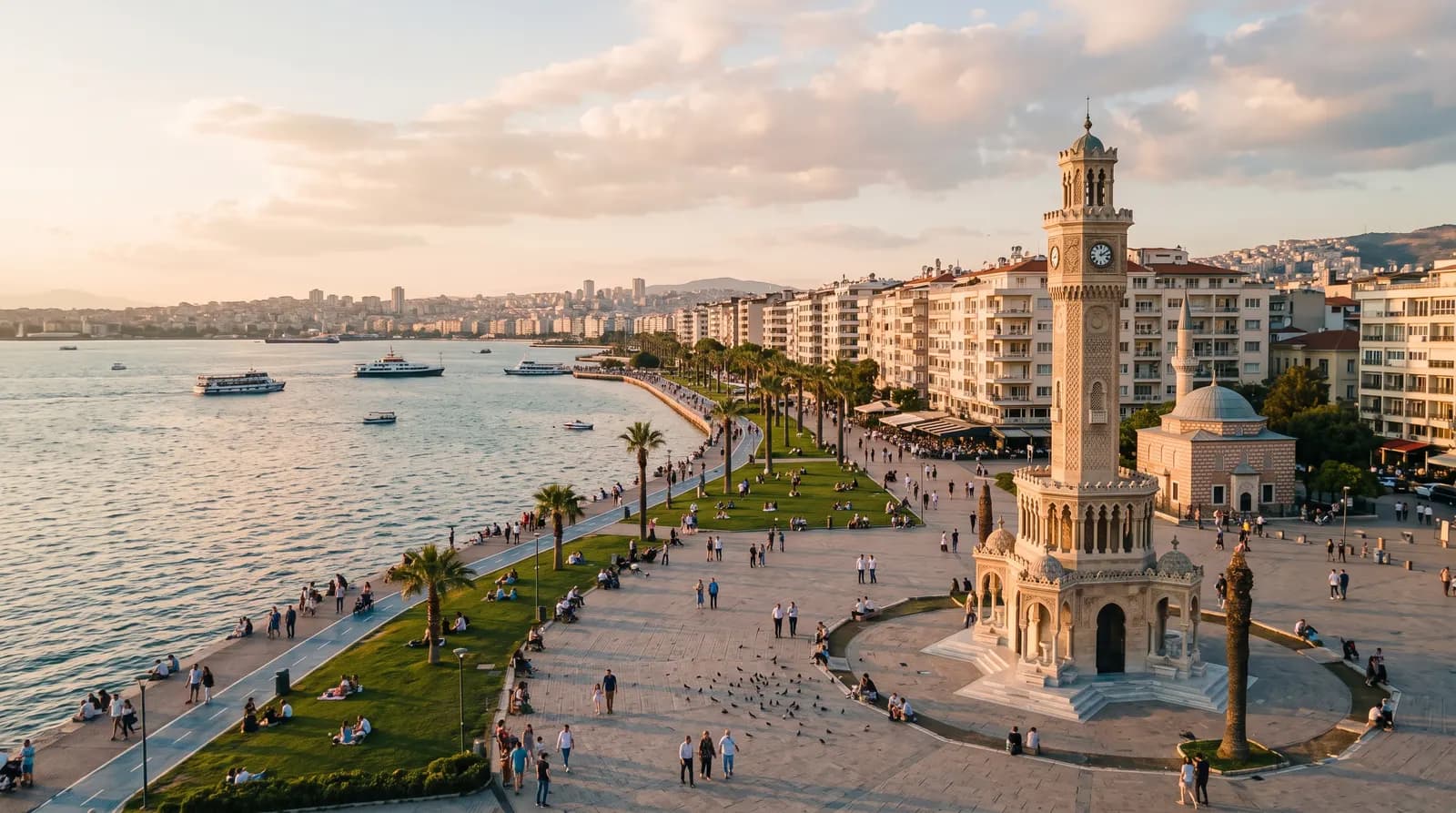
Alexandria is long and narrow, unfolding along the coast rather than inland. The Corniche ties it together, curving from the Eastern Harbour and the Citadel of Qaitbay towards the gardens of Montaza.

More than five million people live here, and the city keeps its own rhythm: gentler than Cairo, open to the sea, with trams still rattling through its older districts.
Ancient and cosmopolitan

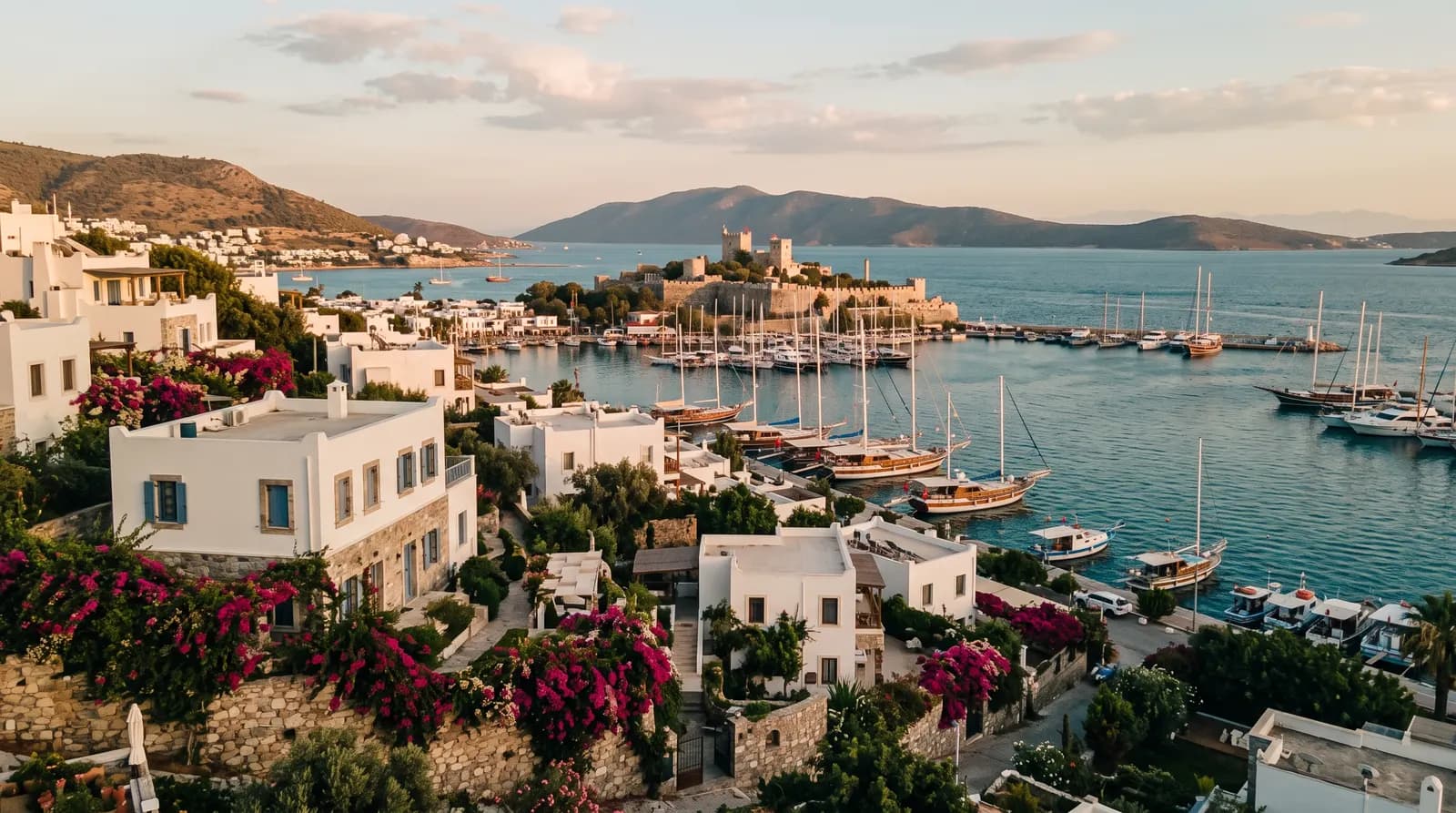
Under the Ptolemies, Alexandria was the intellectual capital of the Mediterranean, home to the Great Library and the Pharos lighthouse, one of the Seven Wonders of the ancient world. In the nineteenth and early twentieth centuries it became a meeting place of cultures again, and the cafés and buildings of its Greek, Italian, Armenian and Levantine communities still shape the city centre.

In Alexandria, almost every street eventually leads you to the sea.

Seafood and seaside life

Alexandria is known for its fish markets and seafood restaurants, where you choose the catch and decide how it is cooked. Historic pastry shops and cafés from the city's cosmopolitan era are still part of daily life.

Summers are warm and humid but milder than in Cairo, which is why Egyptians have long come here to escape the heat. Winters are cool, with occasional storms rolling in from the sea.

Practicalities

Express trains link Alexandria with Cairo in roughly two and a half to three hours, and Borg El Arab Airport handles international flights. The city has major university and private hospitals, and many visitors combine appointments here or in Cairo with time on the coast.

Landmarks

Places that tell the story

The sites, streets and landscapes that give the destination its character — with nearby excursions marked as such.

  • Museum

    Bibliotheca Alexandrina

    Opened in 2002 near the site of the ancient Great Library, its tilted, disc-shaped reading hall faces the sea. The complex houses a vast library, several museums, a planetarium and exhibition spaces.

    Shatby, on the Eastern Harbour

  • Landmark

    Citadel of Qaitbay

    Built in the 1470s by Sultan Qaitbay on the site of the ancient Pharos lighthouse, the fortress guards the entrance to the Eastern Harbour and offers fine views back over the city.

    Western tip of the Eastern Harbour

  • Waterfront

    The Corniche

    The long seafront road and promenade is the city's living room, lined with cafés, fish restaurants and buildings from the early twentieth century.

    From the Eastern Harbour towards Montaza

  • Landmark

    Catacombs of Kom el-Shoqafa

    Carved deep into the rock around the second century AD, these burial chambers blend Egyptian, Greek and Roman artistic styles in a way rarely seen anywhere else.

    Karmouz, near Pompey's Pillar

  • Landmark

    Roman Theatre of Kom el-Dikka

    A rare Roman theatre in Egypt, its marble tiers arranged in a semicircle and surrounded by the remains of baths, villas and lecture halls.

    City centre, near Misr railway station

  • Viewpoint

    Stanley Bridge

    Opened in 2001, the bridge carries the Corniche across Stanley Bay. Its towers make it one of the city's most photographed sights, especially at sunset.

    Stanley Bay, east of the city centre

Rest and renewal

The art of renewal

Quiet settings, traditional bathing culture and landscapes that invite a slower pace — places many visitors seek out before or after a period of care.

  1. 01Natural setting

    Montaza Palace Gardens

    The former royal estate on the city's eastern edge has wide gardens, palm-lined paths and quiet coves around the palace built for Egypt's royal family in the early twentieth century.

    Good to know: The gardens are open to visitors for a fee; the palace buildings are generally closed.

  2. 02Natural setting

    Walks by the sea

    Early mornings and evenings on the Corniche are cool and breezy, ideal for an unhurried walk with the sea alongside.

    Good to know: The coast road is busy; use the pedestrian bridges and marked crossings.

  3. 03Natural settingNearby excursion

    The North Coast

    West of the city, the Mediterranean coast known as the Sahel has long white beaches and clear turquoise water, with resorts and quiet stretches for rest.

    West of Alexandria along the Mediterranean

  4. 04Medical facilities

    Hospitals and clinics

    Alexandria has university hospitals and private medical centres across many specialties. Our coordinators can help identify appropriate, verified providers for your needs.

    Explore Medical Services

These places are offered for general rest and wellbeing. None of them treats or cures a medical condition, and none replaces care or rehabilitation prescribed by your clinician. Suitability depends on your health and mobility — please ask your doctor before planning activities, thermal bathing or travel after a procedure.

The character of the city

Memory and sea air

Alexandria feels like a city that remembers. Beneath its streets lie the foundations of the ancient city; along its seafront, grand old buildings recall the cafés and poets of a cosmopolitan age.

It is a place for unhurried days: a morning walk along the Corniche, fish by the harbour at lunch and a long evening watching the light fade over the Mediterranean.

“A city that faces the sea, and remembers every ship that ever reached its shore.”

Healthcare assistance

Planning a journey for your health?

Discover how our team can help coordinate your medical journey in Egypt, from finding appropriate healthcare providers to organising appointments and related assistance.

Explore Medical Services